
The Problem: Most Leads Come In After Hours
Someone finds your website at 9pm after their kids are in bed, or on a Sunday afternoon while they're finally getting around to home projects. If there's no way to capture their interest in that moment, a lot of them simply won't remember to follow up on Monday morning. The lead is gone, and you never even knew it existed.
This is one of the quiet, invisible ways small businesses lose potential customers — not because the marketing failed to reach them, but because nobody was there to catch them at the moment they were ready to reach out.
What an AI Chatbot Actually Does
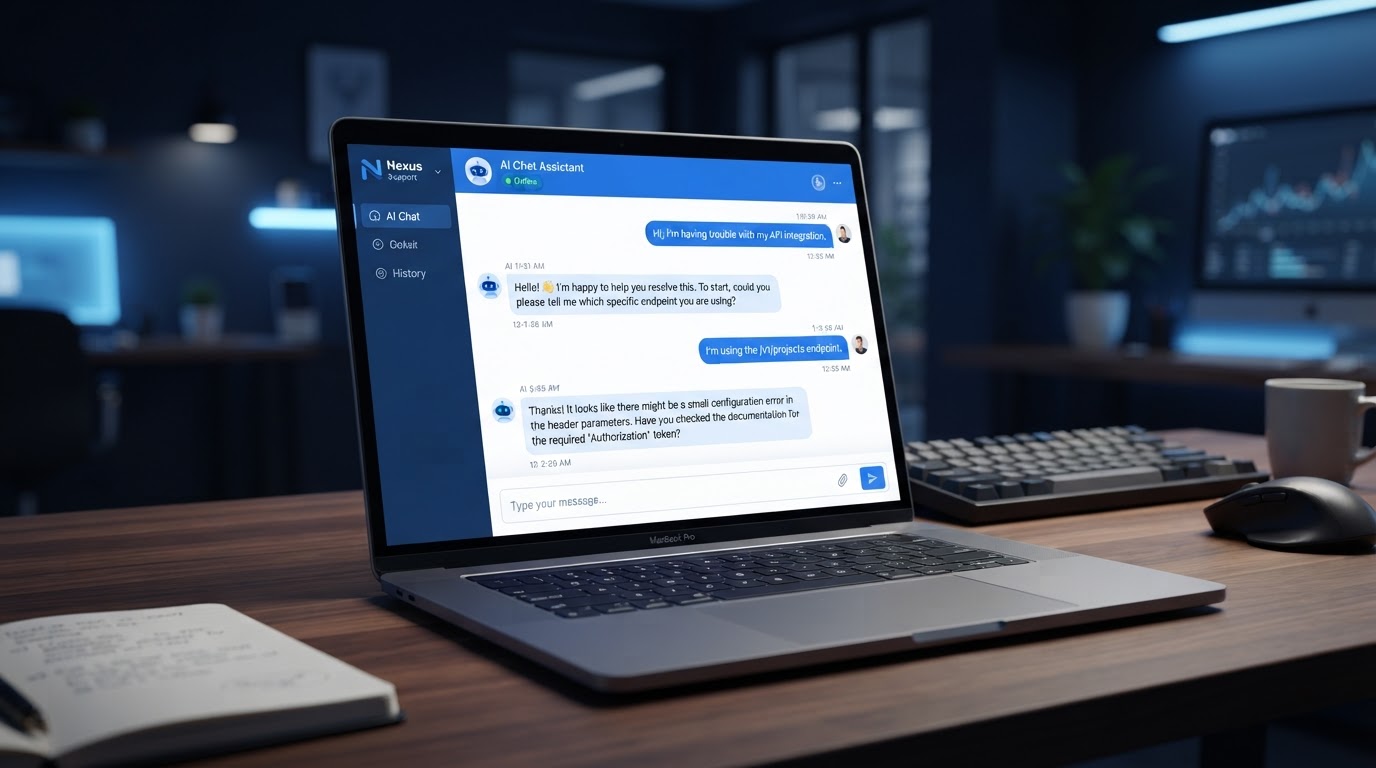
Think of it less like a robot and more like a helpful front-desk person who never clocks out. A well-set-up chatbot can answer common questions, collect a name and phone number, and get the basic details of what someone needs — so that by the time you see the message, you already know exactly who they are and what they're looking for.
It's not meant to replace the personal relationship that makes local business special. It's meant to make sure that relationship gets the chance to start in the first place, instead of stalling out because nobody answered in time.
Why This Matters More for Small Businesses, Not Less
Larger companies have call centers and after-hours staff. Most local businesses have an owner who's also the plumber, the baker, or the one swinging the hammer all day — someone who simply can't be available to respond to every inquiry the second it comes in.
AI tools like this were, in a lot of ways, built to level that playing field. A one-truck operation can now offer the same instant responsiveness as a company ten times its size.
It Should Feel Human, Not Robotic
The biggest difference between a chatbot that helps and one that annoys people is how it's written and configured. A good one is trained on your actual business — your services, your tone, your service area — so conversations feel natural instead of like a customer is stuck talking to a wall of canned responses.
This is also why we never put a customer in a position where they feel like they're talking to “a system.” The technology should be invisible. What the customer should notice is just that someone got back to them quickly.
None of this replaces genuine relationship — it protects the chance for one to happen. A missed message at 10pm on a Tuesday shouldn't be the reason a new customer ends up going with someone else.